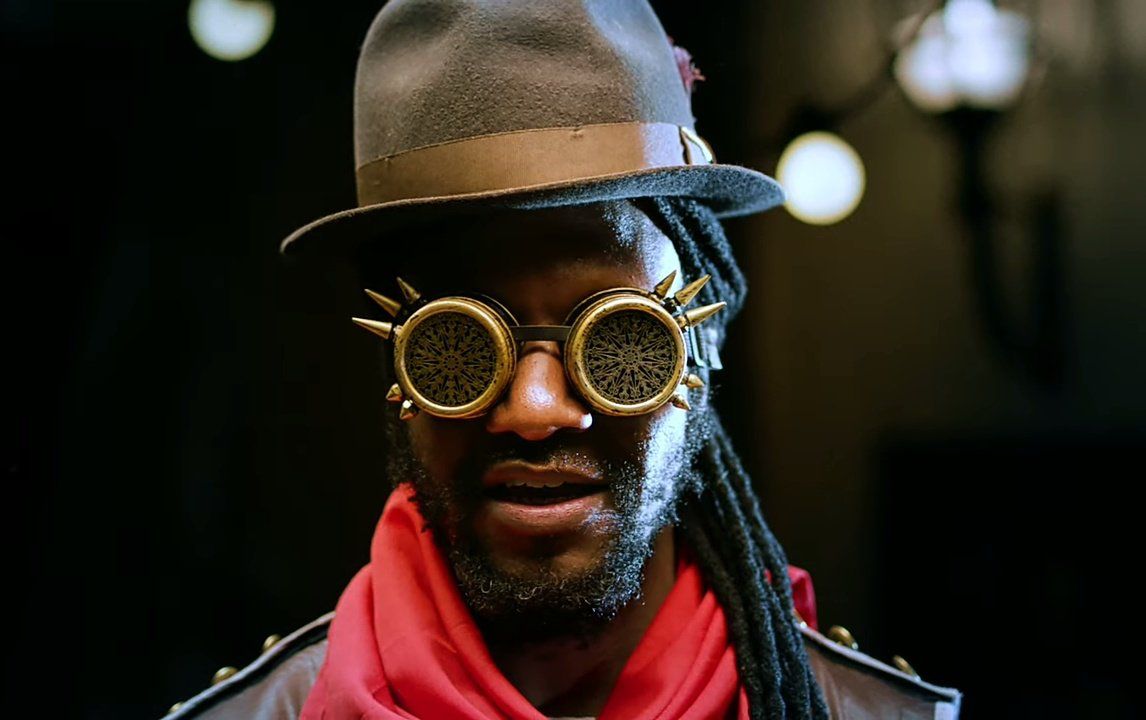

While highly regarded in the Zimbabwean hip hop space, Takura is an artist with long established RnB roots. From his first foray into music with the group Soul Afrika, to the launch of his solo career with the Stripped EP ten years ago. RnB has been at the heart of his discography and even more so in recent years.
The singer’s deft touch at weaving melodies together, and his keen ear for sampling and interpolation, have seen him become a hitmaker of note. However, despite his undeniable musical talent, Takura has long struggled with personal issues.
A hopeless romantic unlucky with love, a celebrity who can’t handle the baggage that comes with fame, an escape artist who can’t escape his means of escapism, a man who doesn’t know where he fits. A pariah, an outcast. These are the reflections that Takura, or should I say Shona Prince, brings on his most recent body of work.
Pariah is Shona Trap Soul, a contemporary RnB album with a multitude of influences that tell a story of love, faith and personal doubts. Over trap, Afrobeats and Afropop instrumentals, Takura allows himself to be vulnerable and introspective, while still within the context of Zimbabwe’s current zeitgeist.
Beginning with My Side, a somber prayer that sees Takura speaking with God solemnly, before the Zimpraise choir joins in with harmonic voices. Takura is holding onto his faith, yet a part of him has start wondering how long the wait will be: “Dear God it’s me again. I know you said you’ll answer me but when?” The song is a statement of his personal battles and battles with belief, yet it ends with the recognition that God will always be there.
The intro speaks to Takura’s recognition of his own faults, while placing his faith as what keeps him going above all. A notion reinforced on the track Simba, featuring Maeywon. Over the gentle strumming of guitar strings, the duo shares a message of remaining steadfast no matter the challenges.
The reflective Plate yesadza speaks on Takura’s journey to this point and once again carries echoes of his sentiments on faith. It is an RnB track heavy on the blues in influence, which perfectly compliments the introspective nature of the lyrics.
Next to the theme of faith, this album explores love in multiple facets. The smoothly sung Ramba Zvako with Max Ari is a song of courting and equally so is Blaz vebhosvo, an interpolation of Sean Paul’s Nuttin No Go So which takes inspiration from how sending Denilson, the Harare based saxophone player, with a gift has become the highest expression of love in society’s view.
Sorry After Sorry is a meeting of dancehall and RnB, that sees Takura and Nutty O playing well of each other. It is an apology and the request for a second chance, with intoxication being blamed for the mistakes.
The duet Better Together, which features talented vocalist Shannon, speaks to a couple being right for each other despite their perceived issues. This is followed by Kushaya Hope, the polar opposite of this, a song that sometimes a couple are better apart: “It’s time for us to go our separate ways, I’m tired of sleepless nights.”
The upbeat Afrobeats record, She Dance, provides one of the album’s few lighter moments, a counterweight to the thoughts that weigh heavy on Takura’s mind.
All through Pariah, Takura moulds his cadence to the requirements of the song at hand. The album is not only a product of great songwriting but it’s also sonically brilliant. There is a renewed belief in himself and his art, captured in Wazodai/Do You‘s message of ignoring whatever people may say about you and focusing on yourself.
As an artist who has had highly publicised struggles, the project presents him as finally being in a good place. So much so that Dani, which interpolates the Black Eyed Peas’ Where is the love, sees Takura extending a hand to others who are going through mental health struggles.
In the closing of this project Takura’s sings for those we profoundly miss in our lives on Thousand Miles Away, before delivering a message of acceptance over tribal drums on the outro Let It Rain.
The answer to the questions raised by the album, seems to remain steadfast in one’s hopes for better. Takura presents himself as flawed, yet he accepts himself as is and hopes you will to.